
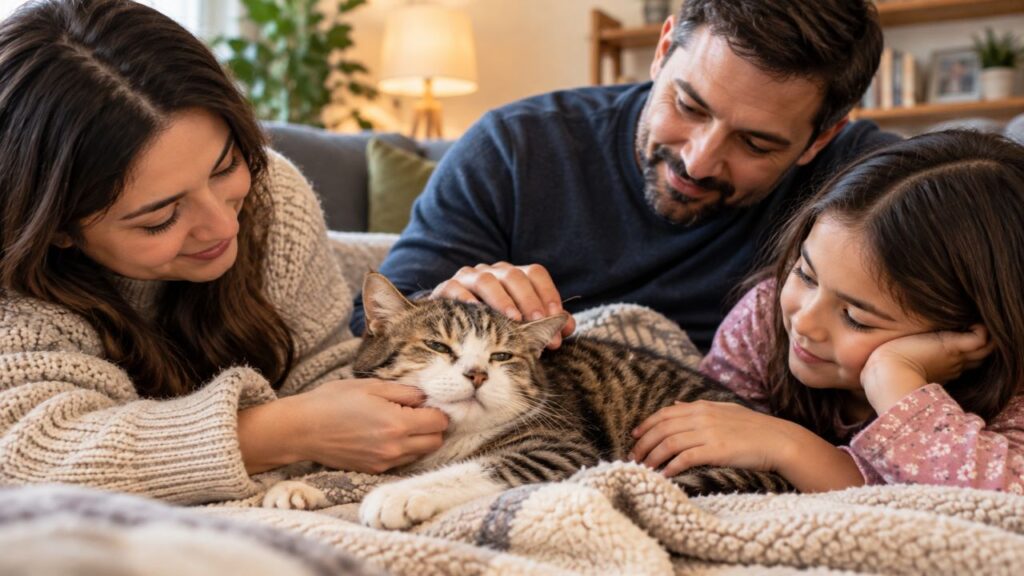
Cats are good at hiding discomfort, which can make age-related health changes difficult for their owners to recognize. A senior cat may continue eating, sleeping, and spending time with family even when something has changed in its health or daily comfort. Sometimes, small differences in behavior are the first indication that a cat needs additional attention.
Understanding the signs of aging in cats can help you recognize unusual changes, make your home more comfortable, and know when to contact your veterinarian. Although aging is natural, changes in appetite, mobility, grooming, and bathroom habits should not automatically be dismissed as a normal part of getting older.
When Is a Cat Considered a Senior?
Cats age at different rates depending on their genetics, lifestyle, and overall health. Cats are generally considered mature adults between 7 and 10 years old, senior cats between 11 and 14, and geriatric cats from around 15 years onward.
However, age alone does not determine a cat’s health or comfort. Some older cats remain active and playful, while others develop medical conditions that require additional care.
Regular veterinary examinations become increasingly important as cats age. Your veterinarian can identify potential health concerns, recommend appropriate screening, and help distinguish normal age-related changes from symptoms that require treatment.
7 Common Signs of Aging in Cats
1. Changes in Appetite and Water Consumption
A change in eating or drinking habits is one of the most important signs to monitor in an older cat.
You may notice that your cat:
- Eats less than usual or leaves food in the bowl.
- Shows less interest in favorite treats.
- Appears hungry but struggles to chew.
- Drinks significantly more water than before.
- Loses weight despite maintaining its usual appetite.
Dental disease, kidney problems, diabetes, digestive disorders, and other medical conditions can affect appetite or thirst. These symptoms should not be attributed to age without veterinary assessment.
Keep track of how much your cat eats and drinks, particularly if the change persists. Contact your veterinarian if your cat develops a noticeable change in appetite, thirst, or weight.
Important: A cat that stops eating needs prompt veterinary advice. Do not wait several days to see whether an older cat’s appetite returns.
2. Difficulty Jumping, Climbing, or Moving Around
Cats are naturally agile, but an aging cat may gradually become less willing or able to jump onto a bed, climb stairs, or reach a favorite resting place.
Possible signs include:
- Hesitating before jumping onto furniture.
- Using lower surfaces instead of high shelves.
- Moving stiffly after resting.
- Avoiding stairs or narrow pathways.
- Spending more time in easily accessible locations.
Joint disease, arthritis, muscle loss, and other medical conditions may contribute to these changes. Cats often hide pain, so reduced jumping or activity can be an important clue that something is wrong.
Arrange a veterinary examination if your cat develops persistent stiffness, reduced mobility, or difficulty moving comfortably.
You can also read our guide on helping a pet with limited mobility for practical ideas that may make everyday movement easier and safer.
3. Changes in Grooming and Coat Condition
Most cats spend considerable time grooming themselves. As they grow older, some cats become less flexible or energetic, making it harder to maintain their usual grooming routine.
Look for:
- A greasy, tangled, or unkempt coat.
- Mats around the back or hindquarters.
- Dandruff or flaky skin.
- Overgrown claws.
- Reduced grooming around areas that were previously kept clean.
A decline in grooming can result from mobility problems, dental discomfort, obesity, or an underlying illness. Excessive grooming in one area can also indicate irritation or pain.
Gentle brushing may help maintain coat condition, but avoid pulling at mats or handling painful areas. If grooming habits change significantly, ask your veterinarian to investigate the cause.
4. Changes in Sleep Patterns or Nighttime Behavior
Older cats may sleep for much of the day, but a noticeable change in their normal routine deserves attention.
Some cats begin waking frequently at night, wandering around the house, or vocalizing when the household is quiet. Others become less interested in their surroundings and spend more time sleeping than usual.
Potential contributing factors include pain, changes in hearing or vision, medical conditions, anxiety, and age-related cognitive changes.
Observe when the behavior occurs and whether it is accompanied by changes in appetite, mobility, or bathroom habits.
Avoid assuming that nighttime restlessness is simply a normal part of aging. A veterinary examination can help identify possible causes and determine whether treatment or environmental adjustments may help.
5. Changes in Social Interaction and Behavior
Your cat’s personality may remain familiar throughout its senior years, but its preferences and tolerance for interaction can change.
You might notice that your cat:
- Hides more frequently.
- Avoids being picked up.
- Becomes less interested in playing.
- Seeks more reassurance from family members.
- Becomes unusually irritable when touched.
- Vocalizes more frequently than before.
These changes can reflect discomfort, illness, sensory changes, anxiety, or other concerns. A cat that suddenly avoids contact may be experiencing pain rather than becoming less affectionate.
Pay attention to the circumstances surrounding the behavior. For example, a cat that reacts when its back or legs are touched may need an examination for a painful condition.
Changes in behavior are particularly useful to document because cats cannot explain how they feel. Sharing these observations with your veterinarian can help guide further assessment.
6. Changes in Litter Box Habits
Older cats may experience changes in bathroom habits, but these should never automatically be blamed on age.
Possible signs include:
- Urinating outside the litter box.
- Having difficulty stepping into the box.
- Making more frequent trips to the litter box.
- Changes in urine volume or thirst.
- Constipation or difficulty passing stool.
Medical causes can include urinary tract problems, kidney disease, diabetes, constipation, and other conditions. Mobility difficulties may also make a litter box harder to access.
Keep the litter box clean and place it somewhere your cat can reach without climbing stairs or navigating obstacles. A box with a lower entrance may be helpful for cats with mobility limitations.
Seek emergency veterinary care if your cat repeatedly strains to urinate but produces little or no urine. A urinary blockage can be life-threatening, particularly in male cats.
New litter box problems should be discussed with a veterinarian rather than treated as a behavioral issue without investigation.
7. Reduced Interest in Play and Everyday Activities
An older cat may naturally prefer shorter play sessions and longer periods of rest. However, a substantial decline in activity can indicate an underlying problem.
Watch for changes such as:
- Losing interest in familiar toys.
- Avoiding activities it previously enjoyed.
- Moving less around the home.
- Becoming reluctant to interact with family members.
- Seeming uncomfortable when changing positions.
Pain, illness, reduced mobility, and other age-related conditions can affect a cat’s willingness to participate in daily activities.
Offer gentle, low-impact play that matches your cat’s abilities. Short sessions with familiar toys may be more appealing than activities that require jumping or vigorous movement.
If your cat becomes noticeably less active, arrange a veterinary examination to identify potential causes.
How to Make Your Home More Comfortable for an Aging Cat
Small changes around the home can help a senior cat maintain its routine and access essential resources more easily.
Provide comfortable resting places. Choose soft, supportive bedding in quiet areas where your cat feels safe. Keep a favorite resting spot accessible without requiring a high jump.
Make food and water easy to reach. Place bowls in convenient locations and ensure your cat does not need to climb stairs to access them. Keep fresh water available throughout the day.
Improve access to the litter box. Choose a location that is easy to reach and consider a low-entry box if your cat has difficulty stepping over the sides.
Reduce slipping hazards. Non-slip rugs or stable mats may help cats that struggle with balance or movement. Ensure floor coverings do not slide underfoot.
Maintain familiar routines. Consistent feeding times, gentle interaction, and predictable surroundings may help reduce stress.
Offer appropriate grooming support. Regular, gentle brushing can help keep the coat clean. If your cat resists grooming or appears uncomfortable, speak with your veterinarian.
Changes to the home can improve comfort, but they do not replace medical care. A veterinarian can recommend additional adjustments based on your cat’s individual needs.
When Should You Contact a Veterinarian?
Contact your veterinarian if you notice persistent or unexplained changes in your cat’s appetite, thirst, weight, grooming, mobility, behavior, or bathroom habits.
Seek urgent veterinary care for concerning symptoms such as difficulty breathing, collapse, sudden inability to walk, severe pain, or repeated straining with little or no urine.
Cats can conceal illness until symptoms become more noticeable. For that reason, regular wellness examinations are important even when your cat appears comfortable.
If your cat has an ongoing medical condition, ask your veterinarian how frequently examinations and monitoring should occur. The appropriate schedule will depend on your cat’s age, medical history, and current health.
How to Monitor Your Cat’s Comfort and Quality of Life
Keeping a simple record of your cat’s daily habits can help you identify gradual changes that might otherwise go unnoticed.
You can track:
- Appetite and water consumption.
- Weight changes.
- Mobility and willingness to jump.
- Grooming and coat condition.
- Sleep and nighttime behavior.
- Litter box habits.
- Interest in play and family interaction.
- Signs of discomfort or unusual vocalization.
A short daily note can reveal patterns over several weeks. Photos or videos may also help your veterinarian understand changes in movement or behavior.
If your cat has a chronic or progressive illness, ask your veterinarian how to assess its comfort and what changes should prompt a review of its care plan.
For families caring for a seriously ill cat, in-home pet hospice care may be an option to discuss with the veterinary team when the focus shifts toward maintaining comfort, managing symptoms, and supporting the family at home.
Hospice care is not necessary for every senior cat. Its suitability depends on the animal’s diagnosis, needs, and veterinary recommendations.
Understanding Pain in Older Cats
Pain does not have to be an inevitable part of getting older. Some senior cats develop conditions such as arthritis or dental disease that can affect their comfort, but veterinary assessment may identify ways to manage these problems.
Possible signs of discomfort include stiffness, reluctance to jump, hiding, reduced grooming, irritability, and changes in sleeping or eating habits.
If you notice these symptoms, discuss them with your veterinarian. You can also learn more about pet pain management and the role appropriate veterinary care can play in supporting a pet’s comfort.
Never give your cat human pain medication unless a veterinarian specifically instructs you to do so. Some common human medications are highly toxic to cats.
Frequently Asked Questions
What are the most common signs of aging in cats?
Common changes include reduced mobility, changes in appetite or thirst, difficulty grooming, altered sleep patterns, changes in social behavior, and litter box problems. These symptoms can also indicate illness, so new or persistent changes should be discussed with a veterinarian.
At what age do cats start showing signs of aging?
Cats are generally considered senior from around 11 years of age, although individual cats age differently. Some show noticeable changes earlier, while others remain active and comfortable well into their senior years.
Is sleeping more normal for an older cat?
Older cats may sleep more, but a significant change in sleep patterns or activity can indicate pain, illness, or another concern. Consult your veterinarian if the change is persistent or accompanied by other symptoms.
How can I keep my senior cat comfortable at home?
Provide accessible food and water, comfortable resting areas, an easy-to-reach litter box, stable walking surfaces, and gentle interaction. Regular veterinary examinations can help identify health problems that require treatment.
When should I worry about changes in my older cat?
Seek veterinary advice for persistent changes in appetite, thirst, weight, mobility, grooming, behavior, or bathroom habits. Breathing difficulties, collapse, severe pain, and inability to urinate normally require urgent attention.
Final Thoughts
Recognizing the signs of aging in cats can help you respond to changes early and support your companion through its senior years. Small differences in appetite, movement, grooming, sleep, and behavior may provide important clues about your cat’s health.
Pay attention to your cat’s normal routine, make practical adjustments to its environment, and seek veterinary advice when something changes. With appropriate medical care and thoughtful support at home, many older cats can continue to enjoy comfort, familiar routines, and meaningful time with their families.