

Arthritis and joint pain can significantly affect a dog’s comfort, mobility, and quality of life. A dog that once enjoyed long walks, climbing stairs, or playing with family members may gradually become slower, stiffer, or less willing to move.
Although arthritis cannot always be reversed, there are several ways veterinarians can help manage a dog’s symptoms and support comfortable movement. Veterinary acupuncture may be one complementary option for dogs experiencing arthritis and chronic joint pain.
When used as part of an individualized veterinary care plan, acupuncture may help some dogs manage discomfort and maintain mobility. It is generally considered a complementary therapy rather than a replacement for conventional veterinary treatment.
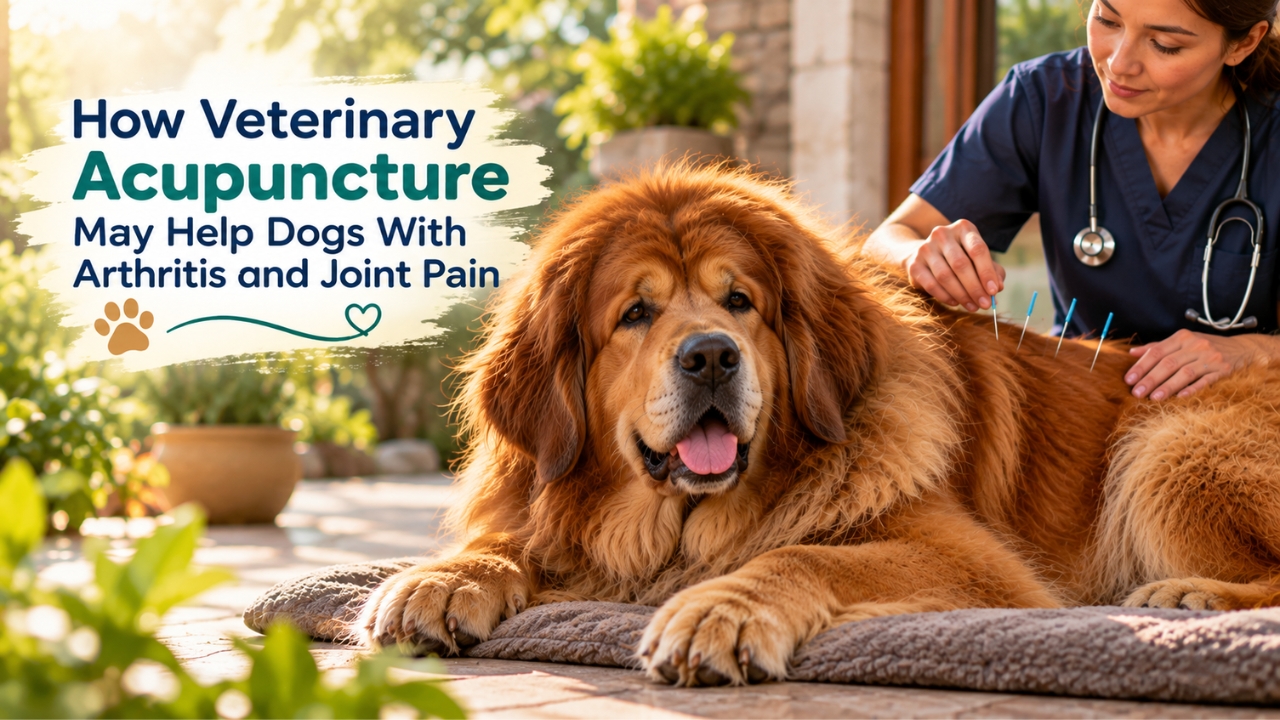
What Is Veterinary Acupuncture?
Veterinary acupuncture involves placing very thin needles at specific points on a dog’s body. The treatment is performed by a veterinary professional trained in acupuncture and is adapted to the individual animal.
For dogs with arthritis, acupuncture may be incorporated into a broader pain-management or rehabilitation plan. Depending on the dog’s condition, other treatments may include prescribed medications, physical rehabilitation, appropriate exercise, weight management, and changes to the home environment.
The goal is not necessarily to treat arthritis with one therapy, but to develop a comprehensive approach that supports the dog’s comfort and daily function.
What Causes Arthritis and Joint Pain in Dogs?
Canine arthritis, commonly referred to as osteoarthritis, is a degenerative condition affecting the joints. Changes to cartilage and other joint structures can lead to stiffness, inflammation, discomfort, and reduced mobility.
Several factors can contribute to arthritis in dogs, including:
- Aging
- Previous joint injuries
- Hip or elbow dysplasia
- Abnormal joint development
- Repetitive stress on the joints
- Excess body weight
- Certain orthopedic conditions
Arthritis can develop gradually, so changes in a dog’s mobility may initially appear to be normal signs of aging. However, persistent stiffness or reluctance to move should be discussed with a veterinarian.
Signs Your Dog May Have Arthritis
Dogs do not always show obvious signs of chronic pain. Instead, owners may notice gradual changes in behavior or mobility.
Common signs can include:
- Stiffness after resting
- Difficulty standing up or lying down
- Reluctance to climb stairs
- Hesitation before jumping onto furniture
- Reduced interest in walks or play
- Limping or changes in gait
- Difficulty getting into or out of a vehicle
- Sleeping more than usual
- Reduced activity
- Irritability when a painful area is touched
These symptoms can have several possible causes, so a veterinary examination is important before assuming that arthritis is responsible.
How May Acupuncture Help Dogs With Arthritis?
Research into acupuncture for canine osteoarthritis continues to develop, and individual dogs may respond differently. Veterinary acupuncture is generally used as a complementary approach to pain management rather than as a standalone cure for arthritis.
Potential goals of treatment may include supporting pain management, mobility, and overall comfort.
1. Supporting Pain Management
Joint pain can make dogs reluctant to move or participate in normal activities. Pet pain management may include a combination of veterinary-prescribed treatments, rehabilitation, lifestyle adjustments, and complementary therapies such as acupuncture. For some dogs with arthritis, acupuncture may be incorporated into a broader pain-management plan designed to help manage discomfort.
The appropriate approach depends on the individual dog, including the severity of the arthritis, underlying conditions, age, and current treatment.
2. Supporting Mobility
Dogs experiencing joint discomfort may gradually reduce their activity. Unfortunately, reduced movement can contribute to muscle weakness and further mobility challenges.
If a dog is more comfortable, it may be easier for them to participate in appropriate exercise or rehabilitation recommended by their veterinarian.
Acupuncture may therefore be considered as one part of a broader strategy for supporting mobility.
3. Complementing Other Arthritis Treatments
Acupuncture does not necessarily have to replace other arthritis treatments. Some dogs may benefit from a combination of approaches.
Depending on the dog’s needs, a veterinarian may recommend:
- Veterinary-prescribed pain medications
- Physical rehabilitation
- Controlled exercise
- Weight management
- Joint-support strategies
- Environmental modifications
- Complementary therapies such as acupuncture
A veterinarian can help determine which combination is appropriate for the individual dog.
4. Supporting Comfort in Senior Dogs
Older dogs are more likely to develop arthritis and other mobility-related problems. As dogs age, maintaining comfort and preserving their ability to participate in everyday activities can become an increasingly important part of veterinary care.
For some senior dogs, acupuncture may be considered as part of an individualized plan focused on comfort and mobility.
What Happens During an Acupuncture Session for a Dog?
Before treatment, the veterinarian will typically assess the dog’s overall condition and review relevant medical history. They may consider the dog’s mobility, pain symptoms, previous treatments, medications, and other health concerns.
During treatment, very thin needles are placed at selected acupuncture points.
Many dogs tolerate acupuncture well, although every dog reacts differently. Some may become relaxed during treatment, while others may need additional time to become comfortable with the process.
The veterinarian determines the appropriate treatment approach based on the dog’s condition and response.
How Often Does a Dog Need Acupuncture?
There is no universal acupuncture schedule for dogs with arthritis.
Treatment frequency may depend on:
- The severity of arthritis
- The location and extent of joint problems
- The dog’s age
- Overall health
- Pain and mobility levels
- Response to previous sessions
- Other treatments being used
Some dogs may initially receive treatments more frequently, with the schedule adjusted according to their response.
Your veterinarian can recommend a treatment schedule based on your dog’s specific needs.
Is Acupuncture Safe for Dogs With Arthritis?
Veterinary acupuncture is generally considered a low-risk complementary therapy when performed appropriately by a qualified veterinary professional.
However, acupuncture is not necessarily appropriate for every dog or every medical condition. A veterinarian should evaluate the dog’s overall health and consider factors such as existing medical conditions, medications, injuries, and the underlying cause of pain.
A proper veterinary assessment is particularly important because arthritis-like symptoms can sometimes be associated with other orthopedic or medical problems.
Can Acupuncture Replace Arthritis Medication?
Acupuncture should not automatically be considered a replacement for prescribed arthritis medication.
Some dogs may benefit from a combination of therapies, while others may require different approaches depending on their health and the severity of their condition.
If your dog is already taking medication, do not stop, reduce, or change the dosage without discussing it with the veterinarian responsible for their care.
The purpose of complementary treatment is generally to work alongside an appropriate veterinary plan rather than independently replace necessary medical treatment.
Can In-Home Veterinary Care Help Dogs With Arthritis?
Traveling to a veterinary clinic can sometimes be difficult for dogs with significant arthritis or mobility problems. Getting into a vehicle, walking across a parking lot, or waiting in an unfamiliar environment may be stressful or physically challenging.
In these situations, in-home veterinary care may provide a more convenient option.
Families searching for Veterinary House Calls Phoenix may consider an in-home veterinary visit when their dog has difficulty traveling or becomes particularly stressed during clinic visits.
In-home care can also allow the veterinary professional to see the dog’s normal surroundings and discuss practical changes that may improve comfort and mobility at home.
For dogs receiving complementary therapies such as acupuncture, the veterinarian can determine whether an in-home approach is appropriate based on the dog’s condition and treatment needs.
How Can You Make an Arthritic Dog More Comfortable at Home?
Acupuncture is only one potential component of arthritis management. Changes to the home environment may also help make everyday activities easier for a dog with stiff or painful joints.
Depending on your veterinarian’s recommendations, you may consider:
Provide a Comfortable Sleeping Area
A supportive, comfortable bed can give an arthritic dog a place to rest without putting unnecessary pressure on painful joints.
Reduce Slippery Surfaces
Hard, slippery flooring can be challenging for dogs with reduced strength or mobility. Rugs or non-slip surfaces may help provide better traction.
Make Food and Water Easily Accessible
Keeping food and water within easy reach can reduce unnecessary movement for dogs with significant mobility limitations.
Consider Ramps Where Appropriate
A properly designed ramp may help reduce the need for jumping onto furniture or getting into a vehicle. Your veterinarian can help determine whether a ramp is appropriate for your dog.
Keep Exercise Controlled
Regular movement can be important for dogs with arthritis, but the amount and type of activity should be appropriate for the dog’s condition. Follow your veterinarian’s recommendations rather than suddenly increasing exercise.
Maintain a Healthy Body Weight
Excess body weight can place additional stress on the joints. If your dog is overweight, discuss a safe weight-management plan with your veterinarian.
When Should You Talk to a Veterinarian About Your Dog’s Joint Pain?
Contact your veterinarian if you notice persistent changes in your dog’s movement or behavior.
Particularly important signs include:
- Persistent limping
- Difficulty standing
- Reluctance to walk
- Difficulty using stairs
- Sudden changes in mobility
- Significant behavioral changes
- Signs of severe pain
- Sudden inability to bear weight on a limb
Sudden or severe mobility problems should be evaluated promptly because they may indicate an injury or another condition requiring veterinary attention.
Is Veterinary Acupuncture Right for Your Dog?
There is no single treatment that works for every dog with arthritis.
Some dogs may respond positively to acupuncture, while others may require different pain-management, rehabilitation, or mobility-support strategies. The right approach depends on the dog’s diagnosis, age, overall health, symptoms, and response to treatment.
A veterinary evaluation should be the starting point. Once the underlying problem has been identified, your veterinarian can discuss whether acupuncture may be appropriate and how it could fit into your dog’s overall care plan.
Helping Dogs Stay Comfortable as They Age
Arthritis can affect almost every aspect of a dog’s daily life, from getting out of bed in the morning to walking, playing, climbing stairs, and interacting with family members.
Recognizing changes in mobility early can help pet owners seek appropriate veterinary advice and explore available pain-management options.
Veterinary acupuncture may provide complementary support for some dogs with arthritis and joint pain, particularly when incorporated into a broader, individualized care plan.
If your dog is experiencing persistent stiffness, mobility changes, or signs of joint discomfort, speak with a veterinarian about the possible cause and the treatment options available.
For Phoenix-area families, discussing in-home veterinary care and complementary therapies such as acupuncture may also be worthwhile when traveling to a traditional clinic is difficult for a dog with mobility limitations.